Pick any costume
Witches and ghosts are classics, but princesses, superheroes and homemade outfits all count. Costumes don't need to be scary.
Traditions, treats, decorations and the little rules that make trick-or-treating great for everyone.
Read the guide ↓Whether you're dressing up for the first time or putting a bowl of lollies by the front door, here's how Halloween works in Aotearoa—and how to celebrate considerately.
Halloween has roots in the ancient Celtic festival of Samhain and later traditions around All Hallows' Eve. Today, many people celebrate with costumes, decorations and trick-or-treating. It's optional: not every household takes part, and that's absolutely fine.
Witches and ghosts are classics, but princesses, superheroes and homemade outfits all count. Costumes don't need to be scary.
Children visit participating homes, knock once or ring the bell, and say “Trick or treat!” Stay at the doorstep or gate.
A Treat Giver may offer a wrapped lolly, chocolate or small non-food gift. Take only what's offered, say thank you and move on.
Important: “Trick or treat” is a playful greeting—not permission to play a prank if someone doesn't participate.
There is no official Aotearoa-wide trick-or-treating schedule. The times below are suggestions, not established rules. Always follow the hours a household provides.
A possible daylight window for younger Trick-or-Treaters.
A practical neighbourhood-friendly starting point.
Only visit homes still clearly welcoming people.
Avoid knocking unless a home explicitly says it is still open.
Decorations alone don't guarantee a household is giving out treats. Some people decorate just for fun.
When a home uses Halloween Map, its Treat Giver can report whether visitors are welcome. Statuses are self-reported and may not be updated immediately.
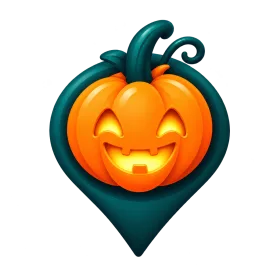 Open
Currently welcoming Trick-or-Treaters.
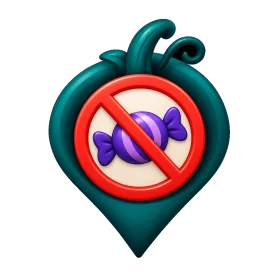 Out of Candy
No treats left; the home may remain visible.
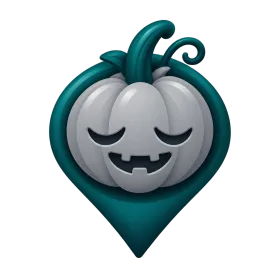 Closed
Not currently welcoming visitors.
You don't need a huge selection. One individually wrapped lolly per visitor is perfectly fine. Offering a choice is thoughtful, but not expected.
Small sealed sweets and chocolates are common, familiar options. You can offer one type or a mix.
If you want to, include clearly labelled dairy-free, gluten-free or other options. Don't assume a product is safe without checking its label.
Stickers, pencils and other little gifts can be fun alternatives. Avoid small parts that may be unsuitable for younger children.
You can offer a few options and say “Choose one!” or simply hand out the treat yourself. Both approaches are normal. Keep things easy when a queue forms.
Homemade biscuits or sweets can be a lovely gesture, but families who don't know you may prefer factory-sealed food with clear ingredient information. It's okay for someone to decline.
There is no minimum decoration requirement. A pumpkin by the door can be as welcoming as a full haunted-house display. For visitors who prefer different levels of spookiness, Halloween Map uses three scare levels:
Smiling pumpkins, friendly ghosts, orange lights, paper bats and cheerful decorations.
Skeletons, cobwebs, spooky sound effects, gravestones and creepy lighting.
Intense theatrical displays, frightening figures, sudden noises, fog and jump scares—with appropriate warnings.
Whatever your style, keep paths clear, secure electrical cables and decorations, supervise any flames, and consider visitors who may be sensitive to flashing lights, loud noises or sudden scares.
Halloween Map is a community discovery tool, not a safety certification, verification of residents, or guarantee of up-to-the-minute opening status. Adults remain responsible for supervising children and checking treats.
No. Decorations are entirely optional. A simple sign or welcoming porch light can help, and a current listing can make your intention clearer.
Yes. Offering a choice is common in some households, but one type is just as acceptable. No one is required to provide dietary alternatives.
One small wrapped treat is fine. Some homes give more. It's up to the Treat Giver and how many visitors they expect.
No. All kinds of costumes are part of Halloween—from ghosts to animals, book characters, princesses and superheroes.
No. A household's selection is self-reported, and suitability depends on the individual child and the product's original packaging and warnings.
You can, but some families prefer sealed, labelled products from unfamiliar households. Respect anyone who declines.
You can simply stop handing them out. If you have a Halloween Map listing, update the status to Out of Candy so visitors have better information.
That's completely fine. There's no obligation to decorate, answer the door or provide treats. A sign or porch light off can signal that you're not participating.
Yes. A sign such as “Please take one” can help, although you can't control how much each visitor takes.
There is no universal age cutoff. Local customs and household preferences vary; polite, respectful behaviour matters more than a specific age.
No. Trick-or-treating typically happens at the front doorstep or gate. Children should not enter unfamiliar homes.